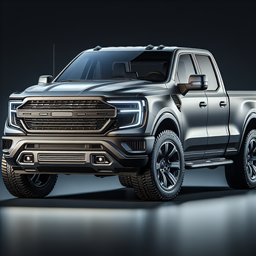
Ford Ranger XLT
Pickup · Gasoline · 4WD
vs
Hyundai Santa Cruz SEL
Pickup · Gasoline · 4WD
Ford Ranger XLT
Car A
Ford Ranger XLT
With 4WD, 270 hp/500 Nm, and a 1200‑liter cargo area, the Ford Ranger XLT leans toward cargo‑heavy work while still fitting a family of five. Efficiency isn’t a highlight, but it offers good value in its segment for mixed work and daily use.
5 seatsPickupGasoline4-star safety9.5 L/100km
Hyundai Santa Cruz SEL
Car B
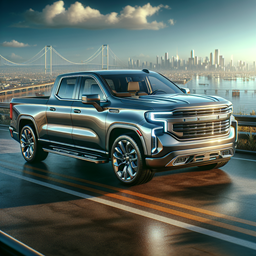
Hyundai Santa Cruz SEL
With 5 seats, 4WD, strong power, and 1326 L of cargo space, this model balances family use with cargo-heavy practicality. It leans on reliability and value, though efficiency and winter specialization aren't its strengths.
5 seatsPickupGasoline5-star safety280 hp
Why compared cross brandsame body typesame powertrainsame seatssame usage profilesimilar price

Usage fit

Family 66 / 74
City 39 / 38
Budget / value 58 / 59
Road trip 55 / 55
Performance 35 / 28
Cargo 80 / 80
Practical 48 / 49
Premium 24 / 27
Winter 22 / 26

Scores out of 100. Blue = Ford Ranger XLT · Orange = Hyundai Santa Cruz SEL

Specs side-by-side

Spec Ford Ranger XLT Hyundai Santa Cruz SEL
Values are representative — confirm for your market and trim.

Pros & cons

Ford Ranger XLT

  • 4WD traction for varied surfaces
  • 270 hp and 500 Nm deliver strong, load‑friendly performance
  • Five seats suit growing families alongside work needs
  • Good value in its segment at $32,500

Hyundai Santa Cruz SEL

  • Reliability and safety rank as core strengths for everyday family duty
  • Strong 280 hp and 421 Nm with 7.5 s 0–100 km/h aid confident merging and passing
  • 1326 L cargo capacity supports frequent hauling and gear-heavy routines
  • Good value in its segment at 34,500

Verdict

Pick Ford Ranger XLT if…
Best fuel economy
Ford Ranger XLT uses 9.5 L/100km vs 9.8 — a meaningful saving if you cover high mileage.
Pick Hyundai Santa Cruz SEL if…
More power
Hyundai Santa Cruz SEL puts out 280 hp vs 270 — meaningfully quicker and more confident on motorways.

Related comparisons