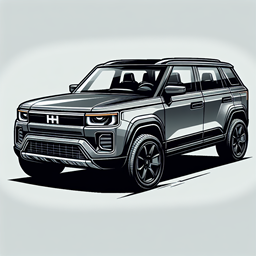
Hyundai Santa Cruz SE
Pickup · Gasoline · 4WD
vs
Ford Ranger XLT
Pickup · Gasoline · 4WD
Hyundai Santa Cruz SE
Car A
Hyundai Santa Cruz SE
The Hyundai Santa Cruz SE prioritizes cargo-heavy practicality and city use, combining 422 Nm of torque and 4WD with an appealing 23999 entry price. It’s less compelling for efficiency, winter driving, and outright speed.
5 seatsPickupGasoline
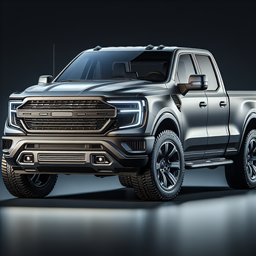
Ford Ranger XLT
Car B
Ford Ranger XLT
With 4WD, 270 hp/500 Nm, and a 1200‑liter cargo area, the Ford Ranger XLT leans toward cargo‑heavy work while still fitting a family of five. Efficiency isn’t a highlight, but it offers good value in its segment for mixed work and daily use.
5 seatsPickupGasoline4-star safety9.5 L/100km270 hp
Why compared cross brandperformance gapsame body typesame powertrainsame seatssame usage profile

Usage fit

Family 35 / 66
City 39 / 39
Budget / value 45 / 58
Road trip 37 / 55
Performance 28 / 35
Cargo 48 / 80
Practical 29 / 48
Premium 15 / 24
Winter 14 / 22

Scores out of 100. Blue = Hyundai Santa Cruz SE · Orange = Ford Ranger XLT

Specs side-by-side

Spec Hyundai Santa Cruz SE Ford Ranger XLT
Values are representative — confirm for your market and trim.

Pros & cons

Hyundai Santa Cruz SE

  • Appealing entry price (23999) for budget-focused buyers
  • High torque (422 Nm) and 190 hp provide solid pull for loads
  • 652-liter cargo capacity supports frequent hauling
  • 4WD traction adds confidence in mixed road conditions

Ford Ranger XLT

  • 4WD traction for varied surfaces
  • 270 hp and 500 Nm deliver strong, load‑friendly performance
  • Five seats suit growing families alongside work needs
  • Good value in its segment at $32,500

Verdict

Pick Hyundai Santa Cruz SE if…
Lower entry price
Hyundai Santa Cruz SE starts lower, making it the stronger value pick if budget is a priority.
Pick Ford Ranger XLT if…
More power
Ford Ranger XLT puts out 270 hp vs 190 — meaningfully quicker and more confident on motorways.

Related comparisons